
Discover the heart of Indonesia, where history intertwines with modernity! Stroll through the magnificent landmarks of the capital, admire the architectural beauty of its old streets, and enjoy the picturesque views of its modern splendor. Don't miss the chance to learn more about Indonesian culture!
What awaits us?
- Istiqlal Mosque - one of the most magnificent mosques in Indonesia
- Cathedral of Saint Mary (Katedral Jakarta)
- Old Town
- Jakarta History Museum "Fatahillah" - from the city's founding to the present day
- Old Port of Sunda Kelapa
- Chinatown in Jakarta (Kota Tua or Glodok)
- Shopping center with handmade crafts
- The center of Indonesia's capital
- National Monument of Indonesia - Monas
Tour Program
09:00 - Meet your English-speaking guide in the hotel lobby. Departure for the tour: Jakarta is the capital of Indonesia, a city where modern achievements harmoniously blend with a rich heritage of traditions, creating a unique dance of cultures.
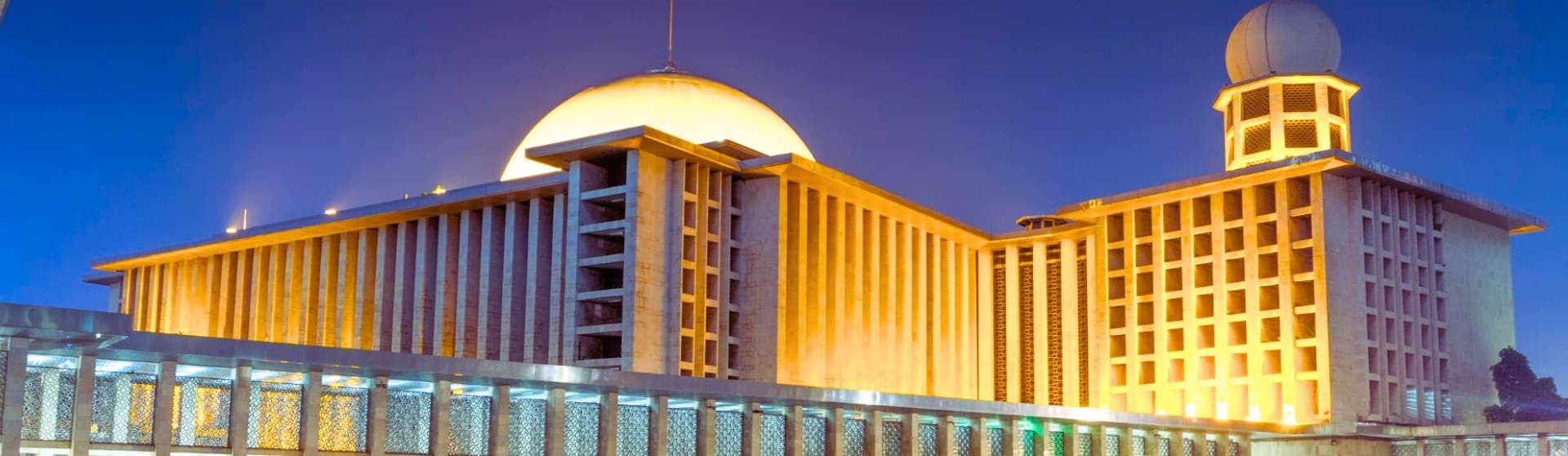
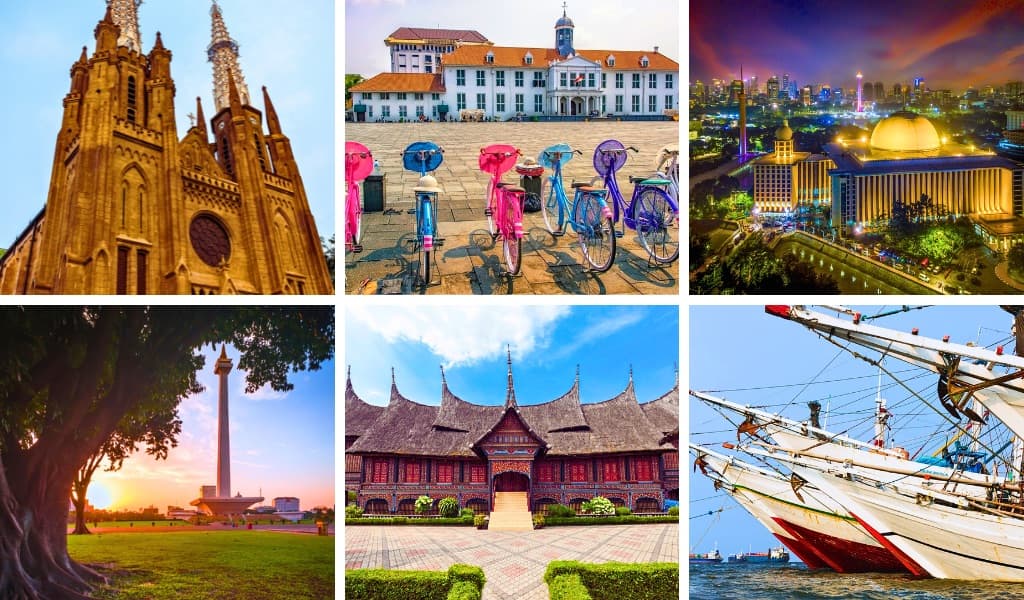
Istiqlal Mosque is one of the most significant and magnificent mosques in Indonesia, located in the very heart of Jakarta. The mosque was built in 1978 and completed in 1991. The project was conceived in honor of Indonesia's independence (Istiqlal means "independence" in Indonesian). The construction of one of the largest mosques in Southeast Asia symbolized the unity of Muslims in the country. The mosque is surrounded by beautiful gardens and fountains, creating an atmosphere of tranquility and serenity.
Cathedral of Saint Mary (Katedral Jakarta) The cathedral was laid in 1891 and completed in 1901. It was built in the Neo-Gothic style, which is reflected in its tall pillars, pointed arches, and stained-glass windows. Its distinctive features include two tall spires that rise to 60 meters. It was built on the site of an old church that had been destroyed. The construction of the cathedral was part of the Dutch colonial policy aimed at strengthening Christianity in the region. After Indonesia gained independence in 1945, the cathedral became an important center for the country's Catholic community and a symbol of religious tolerance. The cathedral is a significant architectural and historical landmark reflecting the Dutch influence on the development of Catholicism in Indonesia.
We head to the Old Town, where we will visit its main attractions.
Jakarta History Museum "Fatahillah" is housed in a historic building that served as the city hall during the colonial period, built in 1710 as a town hall for the Dutch East India Company (VOC). The building served as the administrative center of colonial power and bore the name "Stadhuis" (town hall in Dutch). In 1974, the building was converted into a museum to preserve and present the history of Jakarta from the colonial period to the present day. The museum covers the history of Jakarta (formerly known as Batavia) from its founding to modern times. Your guide will unveil the curtain of history for you.
Lunch*.
Old Port of Sunda Kelapa is a historic port in Jakarta that holds great significance both for the history of the city and for all of Indonesia. The port was founded in the 15th century and was an important part of the Sunda Kingdom, which existed on Java. It was a center of trade and navigation, connecting local trade routes with other regions, including China, India, and Arab countries. With the arrival of Europeans, especially the Dutch, the port became even more significant. In the early 17th century, the Dutch East India Company (VOC) began actively using Sunda Kelapa for its trading operations. The port became a vital point for importing spices, rice, and other goods, contributing to the economic development of the region. At the port, we will see traditional Indonesian wooden vessels known as pinisi, which continue to be used for transporting goods.
Chinatown in Jakarta (Kota Tua or Glodok) is a district known for its rich cultural heritage and historical significance. The first Chinese immigrants arrived in Indonesia in the 15th century. They began settling in Jakarta (then known as Batavia) and gradually forming their communities. By the end of the 17th century, the Chinese community had become an important part of the city's social and economic life. Chinatown became a major trading center where Chinese merchants engaged in diverse trade, including textiles, spices, rice, and other goods. This is where cultural blending between Chinese and Indonesian cultures took place.
We will stroll through narrow streets among traditional houses reflecting Chinese heritage. Many buildings here have preserved elements of colonial architecture from the Dutch colonial era. Here stands one of the oldest Chinese temples in Jakarta - the Dharma Bhakti Temple (Vihara Dharma Bhakti), built in 1650. It is the center of Chinese spiritual life and a venue for celebrating traditional festivals.
We head to the shopping center, where you can purchase handmade goods: batik, silver, python leather products, and more.
Then we proceed to the center of Indonesia's capital, where modern skyscrapers and business centers will impress you with their magnificence.
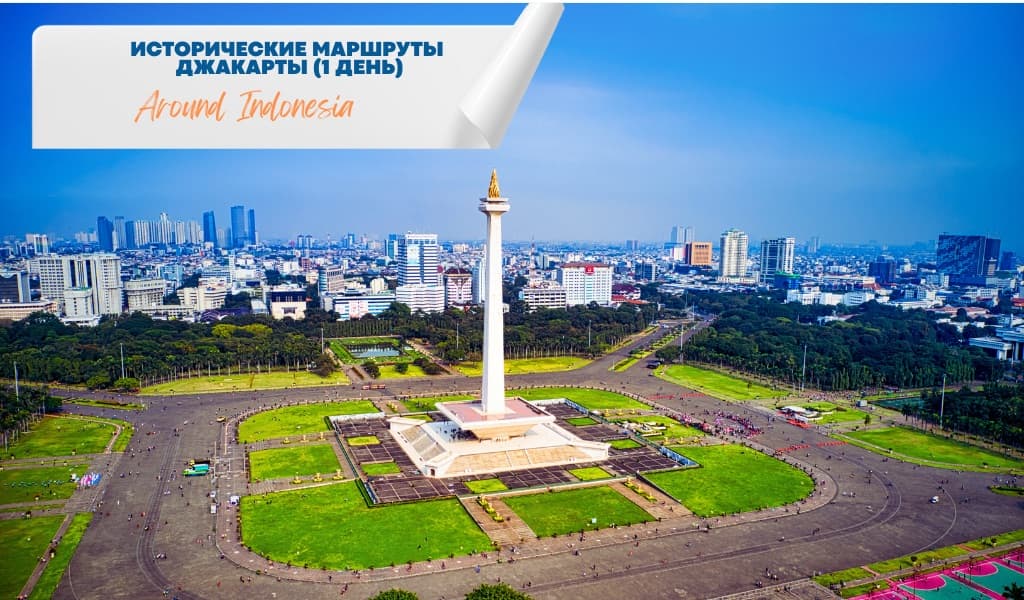
National Monument of Indonesia Monas is one of the most iconic symbols of Jakarta, embodying the country's struggle for independence. Monas stands 132 meters tall and is an obelisk topped with a gilded torch, symbolizing the spirit of freedom and the pursuit of knowledge.
Transfer to your hotel, rest.
*The program is subject to change
If you are interested in this tour, please contact us and we will send you the price
Tour price includes:
- Transfers as per program
- English-speaking guide
- Parking
- Taxes
Not included in the price:
- Attraction tickets. Paid on-site
- Flights to Jakarta and back
- Meals
- Personal expenses
- Insurance
- Tips (at your discretion, optional)